Choosing the Sea: Leadership, Risk, and the Judgement to Govern
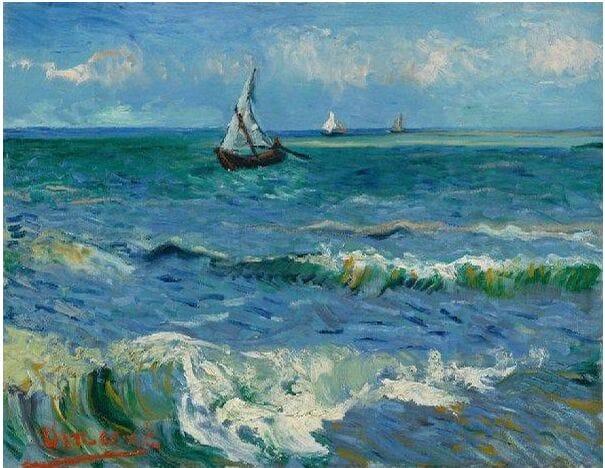
Vincent van Gogh (1853 - 1890), Arles, June 1888
In his writing about fishermen, Vincent van Gogh reflected on a powerful idea: fishermen know the sea is dangerous and storms are terrible, yet they never find these dangers sufficient reason to remain ashore. That image returned to me recently while standing near the sea, listening to the waves roll in as a storm gathered on the horizon. It prompted a familiar reflection—one that feels particularly relevant in today’s boardrooms. Leadership is not blind risk-taking. Fishermen do not go to sea blindly. Their decisions are shaped in different ways.
For some, judgement is forged through years of experience. For others, it comes from good training, broader life experience, or an acute reading of the moment, weather, timing, or circumstance. And sometimes, quite simply, there is an element of luck. What unites these decisions is not certainty but intentionality. The danger is recognised. The risk is weighed. And the choice to proceed is deliberate. Leadership requires the same mindset.

Boards are entrusted with navigating uncertainty on behalf of the organisation. This involves more than individual assessments of risk; it requires collective judgement—robust discussion, challenge, and shared accountability for decisions that shape the organisation’s future.
Directors must ask:
- What risks are necessary to remain sustainable and relevant?
- Which risks threaten the organisation’s purpose and stakeholder trust?
- How do we balance caution with courage?
The answers to these questions determine whether an organisation survives, thrives, or succumbs. Contribution over comfort, Leadership, like going to sea, is not the pursuit of calm waters. It is the willingness to step forward with eyes wide open, accepting that exposure brings responsibility, scrutiny, and difficult decisions. The danger is real. But so is the work. Remaining safely on shore may avoid risk, but it also avoids contributing to society. Purpose-led governance demands the development of judgement, resilience, and courage—qualities built through navigating uncertainty, not avoiding it. Leadership is not about eliminating storms. It is about becoming capable of steering through them, again and again.
Director-Shift™ invitation:
So, as a board director, pause and reflect:
- How is judgement formed in your boardroom, through experience, training, or habit?
- Are risks being consciously accepted or quietly avoided?
- Is your board equipped to navigate the risks that lie ahead?
If this resonates, it may be time to deepen the conversation about judgement, risk, and board effectiveness.
At Boardvisory, we work with boards and directors to strengthen decision-making, collective judgement, and governance capability so that boards are ready not only for calm seas but also for the storms inevitably.
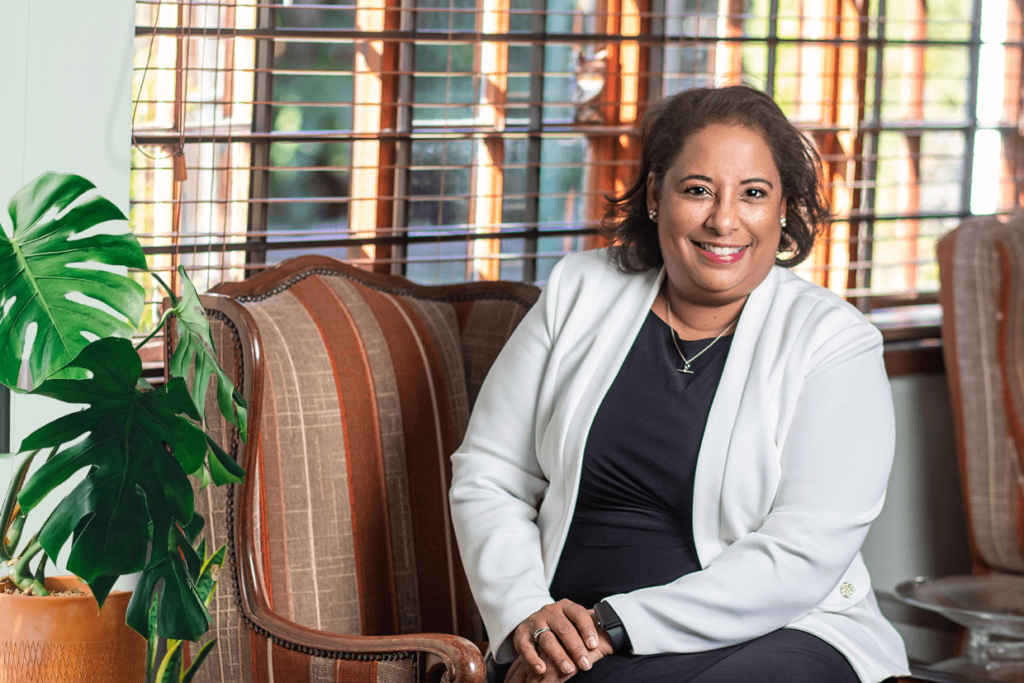
Written by: Joy-Marie Lawrence, your Coach in the Boardroom
A seasoned Board Director, Independent Non-Executive Board Director, and Boardroom Coach
The Founder of Boardvisory